A Step Back in Time at Museo Larco
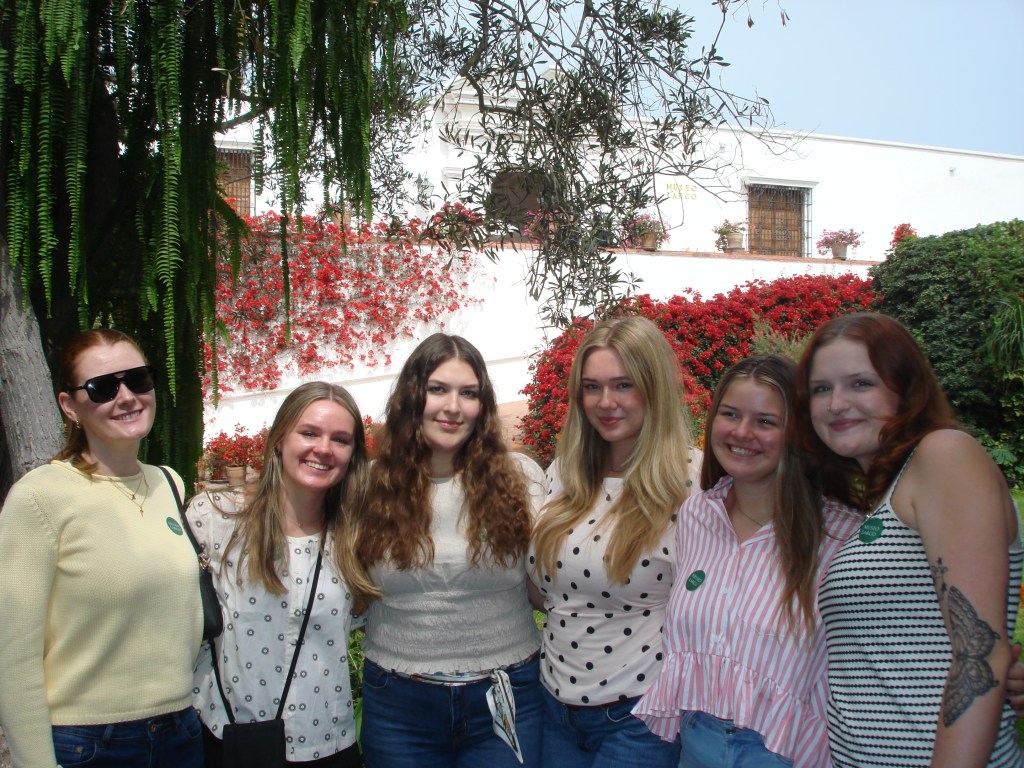
I really enjoyed our visit to Museo Larco, where I learned more about the Inca Empire and Peru’s ancient civilizations, deepening my understanding of the country’s culture and history. Some of the things that stood out most to me were the collection of traditional jewelry and headdresses, and the pottery exhibit. My favorite pieces were the pottery items shaped like foods such as peppers and bread. It was amazing to see how detailed and creative they were.
The museum itself was beautiful, and I found the layout very engaging. I was amazed to learn that the museum houses tens of thousands of archaeological artifacts. Another fact that surprised me was learning about Peru’s incredible agricultural diversity, including the thousands of potato varieties grown throughout the country. As someone who thought a potato was just a potato, this definitely caught me off guard!
Recycling, Reuse, and a Little Bit of a Smell
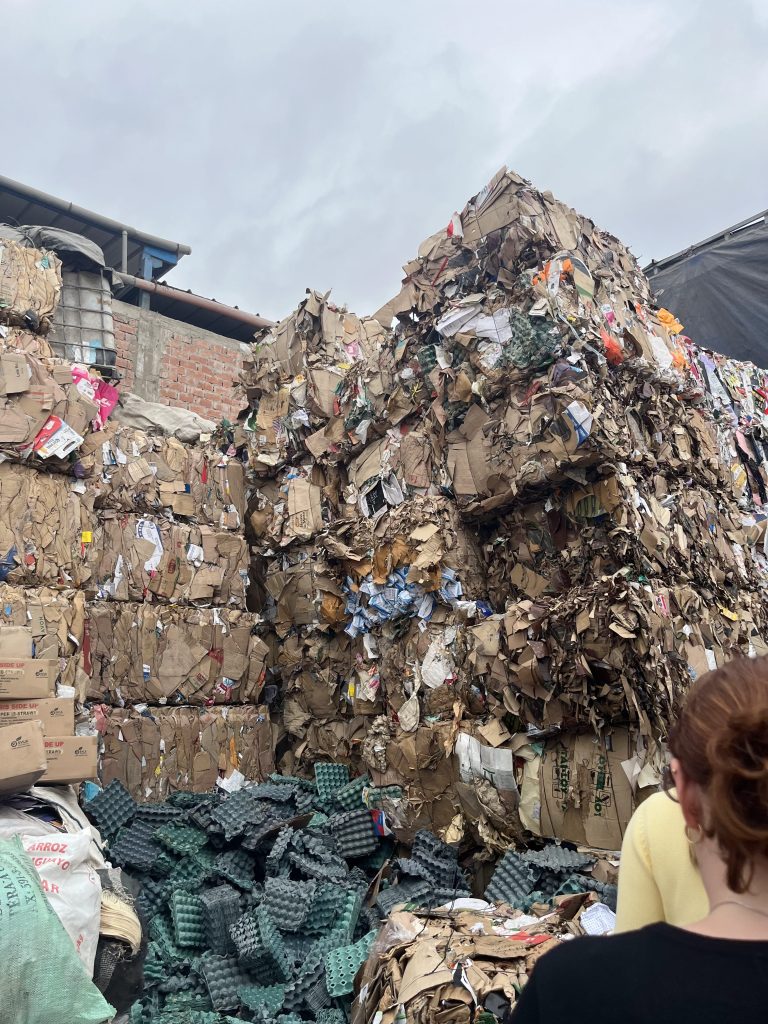
Our visit with KPA gave me a much better understanding of Peru’s recycling infrastructure. One of the most interesting parts was seeing how the company refurbishes machinery used in the publishing industry. Instead of immediately replacing older equipment, these machines are repaired and restored so they can continue to be used. I thought this was a great example of sustainability in practice because it extends the life of equipment and reduces waste.
I also enjoyed learning about the machinery used to compact recyclable materials. Before this visit, I had never really thought about what happens to recyclable items after they are collected, so it was fascinating to see part of that process firsthand and learn more about the infrastructure required to manage waste and recycling.
The second part of the visit was also very interesting, although definitely a little smellier! While it was not the most glamorous part of the day, it helped put into perspective how much hard work goes into recycling and waste management. Seeing the process firsthand made me appreciate the people who work in this industry and the important role they play in sustainability efforts.
Getting to Know Miraflores
The more time I spend in Miraflores, the more I love it. The neighborhood feels so welcoming and full of life. I love how walkable it is and how there always seems to be something to see, whether it’s a local shop, restaurant, park, or street performer.
One of my favorite places remains Kennedy Park, also known as Cat Park. I absolutely love animals, so I never pass up an opportunity to stop and visit the cats.
I also really enjoyed our walking tour through Miraflores. One of the most memorable stops was visiting a grocery store and seeing the incredible variety of potatoes available. Earlier in the day, we had learned about Peru’s thousands of potato varieties, so it was fun to actually see some of them in person.
Exploring Lima’s Historic Center
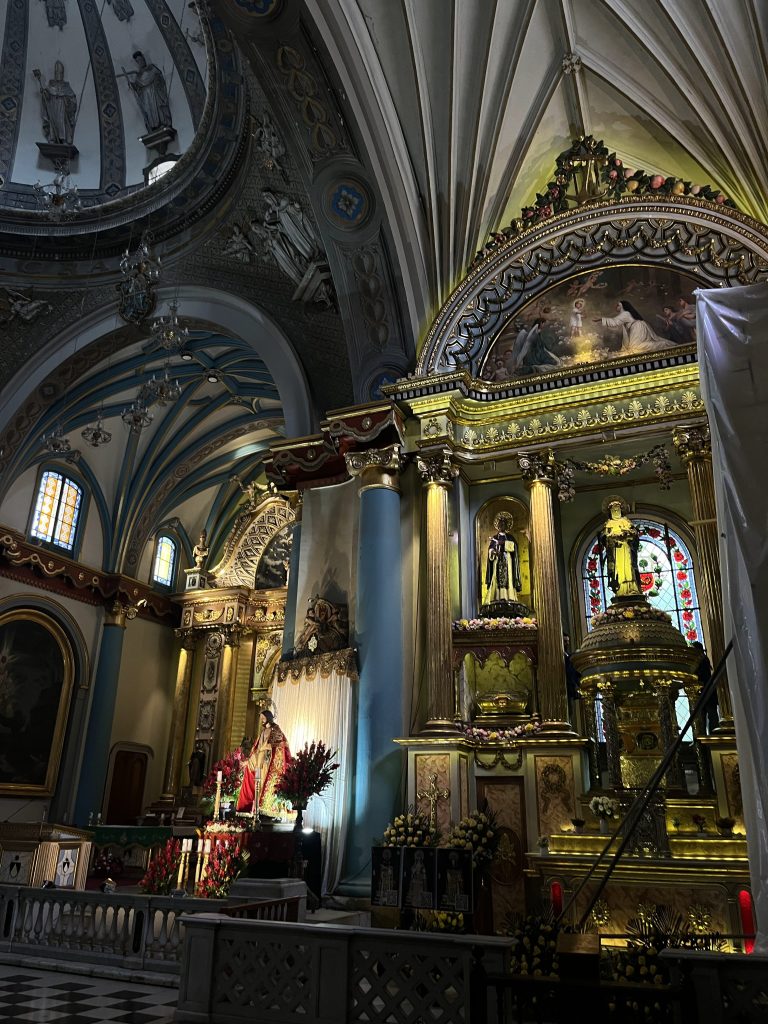
I absolutely loved our walking tour through Lima’s colonial city center. The architecture was beautiful, and I enjoyed learning about the history behind many of the buildings, churches, and plazas. Walking through the city felt like stepping into another era.
One of my favorite parts was watching the changing of the guard, which takes place every day at noon. It was fascinating to see a tradition that has continued for so many years and remains an important part of the city’s culture. I also enjoyed learning how Lima’s colonial history continues to influence the city today through its architecture, government buildings, and public spaces.
A Behind-the-Scenes Look at Global Trade
My favorite experience of the day, however, was our visit to DP World at the Port of Callao.
Before visiting, I knew ports were important, but I did not fully understand just how important they are to the global supply chain. Seeing the massive cranes, shipping containers, and cargo ships helped me understand the incredible scale of international trade. The Port of Callao serves as Peru’s primary gateway for imports and exports, connecting the country to markets around the world.
It was fascinating to see how products travel thousands of miles before eventually ending up on store shelves. The visit really highlighted Peru’s role in global commerce and showed how interconnected our world has become. Peru’s location along the Pacific Coast makes it an important hub for trade throughout South America, and seeing that in person made concepts from class feel much more real.
Sustainability at the Port
As impressive as the port operations were, they also raised important sustainability questions. Large ports require enormous amounts of energy and transportation equipment, which can create environmental challenges. At the same time, they have opportunities to improve efficiency and reduce their environmental impact.
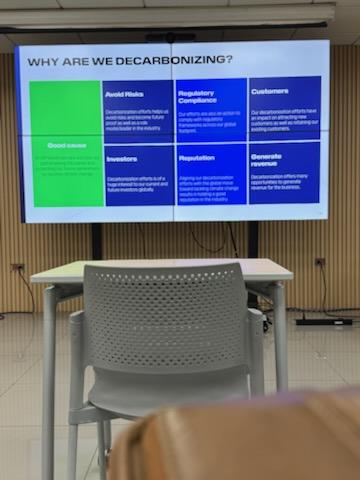
During our visit, we learned about some of DP World’s sustainability initiatives and efforts to reduce emissions through cleaner technologies and more efficient operations. I appreciated seeing that sustainability is being considered alongside economic growth. It was interesting to see how a company can balance business operations with environmental responsibility, especially on such a large scale.
Final Thoughts
Looking back on the past two days, I was struck by how interconnected everything is. At Museo Larco, I learned about Peru’s ancient civilizations and cultural heritage. At KPA, I saw the importance of sustainability and recycling in modern society. In Lima’s historic center, I experienced the lasting impact of Peru’s colonial history, and at the Port of Callao, I witnessed how Peru connects to the rest of the world through trade.
Although each experience was very different, together they showed how Peru’s history, geography, culture, and economy continue to shape the country today. These past two days have given me an even greater appreciation for both Peru’s past and its future, and I cannot wait to see what the rest of this trip has in store!
Tell next time blog!


Leave a Reply