Sustainability Beyond the Classroom
Blog!!!! It has been another busy couple of days in Peru!
Over the past two days, we had the opportunity to visit KPA S.A.C., DP World, and Peru Sostenible, three organizations that exemplify different sectors of sustainability within Peru. I came into this trip with background knowledge of what sustainability is and what it means, as I was in charge of social media marketing for a skincare brand where I created educational campaigns about sustainability. However, these visits showed me that sustainability is much more complex. It requires balancing environmental responsibility, economic growth, and social well-being, especially within a developing economy.
One thing that stood out to me throughout all three visits was that sustainability is not simply about protecting the environment. It is also about creating systems that allow businesses, communities, and economies to thrive in the long term. While these organizations approached sustainability differently, they all emphasized the importance of thinking about the future rather than focusing solely on short-term success.
What I Learned from KPA
I really enjoyed our visit to KPA because it allowed us to see what happens behind the scenes in the recycling process. Before this visit, I honestly had not thought much about where recyclable materials go after they leave our recycling bins.
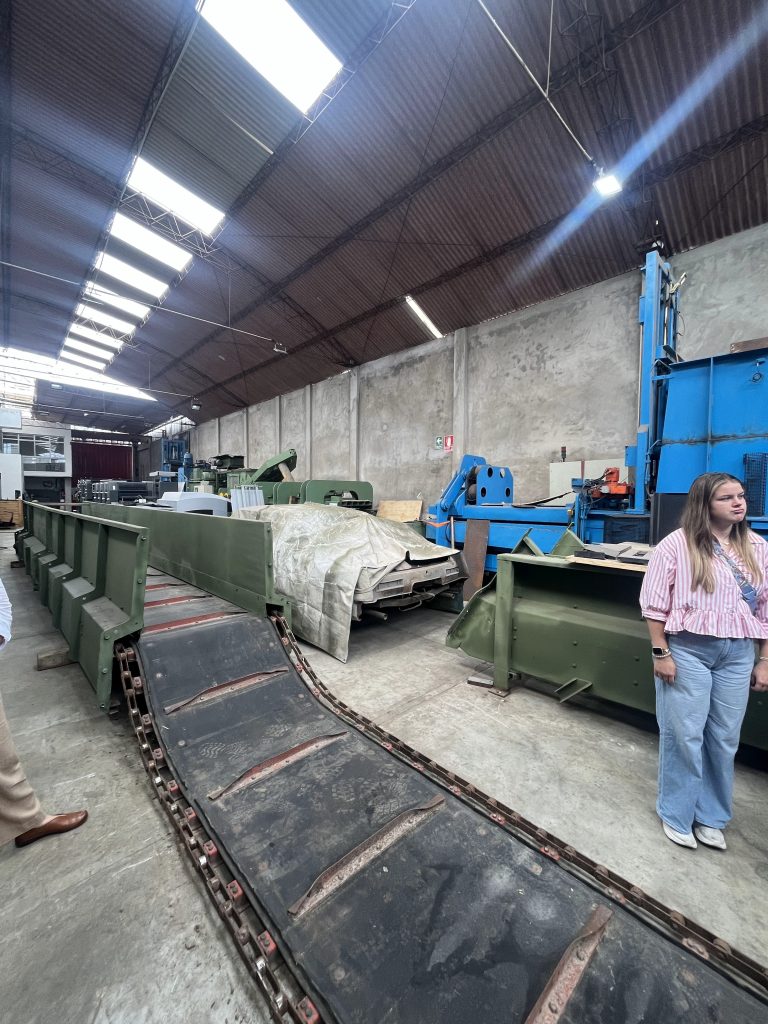
At KPA, we learned how recyclable materials are sorted, compacted, and prepared for re-entry into the supply chain. We also learned about another side of their operations, in which they refurbish machinery used in the publishing industry, extending the life of equipment that might otherwise become waste.
One thing that stood out to me was how much effort and infrastructure are required for recycling to succeed. Recycling is not as simple as throwing something into the correct bin. It requires transportation systems, sorting facilities, processing equipment, and businesses willing to invest in sustainable practices.
DP World and Sustainable Global Trade
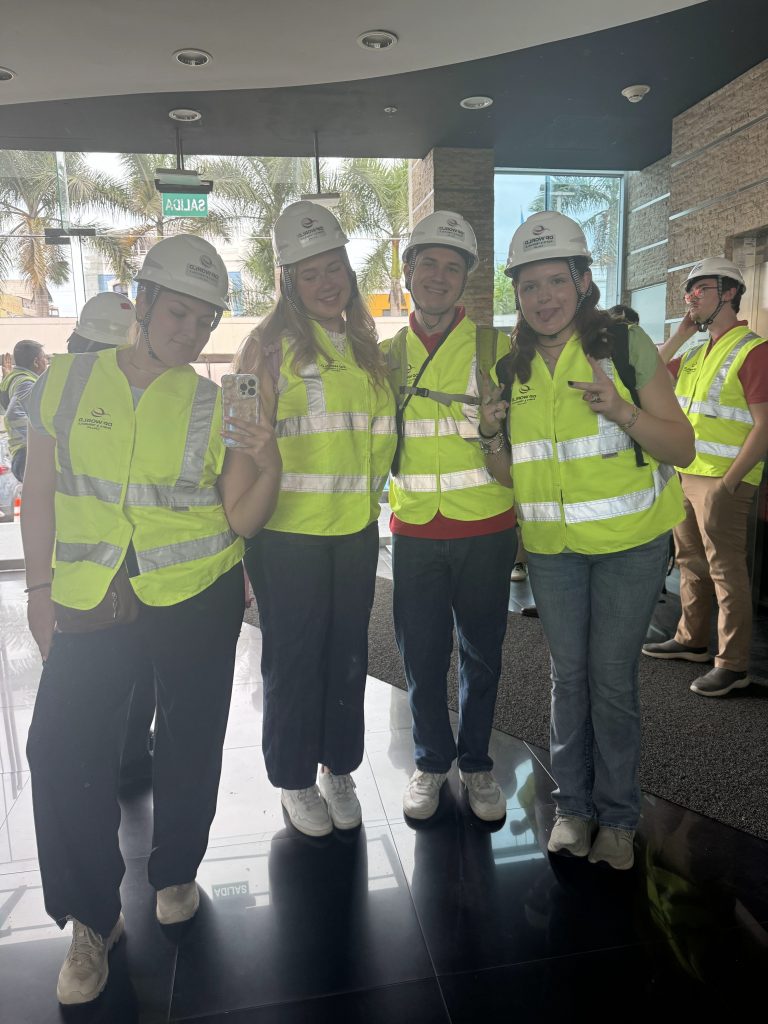
Our visit to DP World at the Port of Callao demonstrated sustainability on a much larger scale. Watching the cranes move massive shipping containers across the port was incredible, but what impressed me even more was learning about the technologies and systems the company has implemented to improve efficiency and reduce environmental impacts.
As one of the busiest ports in South America, DP World plays a significant role in Peru’s economy. The company must balance economic growth and international trade with environmental responsibility. Through operational efficiencies, technological improvements, and sustainability initiatives, they are working to reduce emissions while continuing to support global commerce.
This visit reminded me that sustainability is not about stopping economic growth. Instead, it is about finding ways to grow responsibly while minimizing negative impacts.
Peru Sostenible and Accountability
Of all the organizations we visited, Peru Sostenible connected most directly to the topics I researched before coming to Peru.
One of the key concepts from my sustainability presentation was that companies often make aspirational sustainability statements. These statements communicate a company’s goals and vision, but without measurable systems and accountability, they can sometimes feel more like promises than action.
Peru Sostenible focuses on helping organizations move beyond those aspirations and toward measurable progress. They encourage businesses to track sustainability performance, implement reporting frameworks, and align their practices with internationally recognized standards.
Hearing about their work immediately reminded me of the LinkedIn article I reviewed before the trip regarding Peru’s evaluation of IFRS S1 and IFRS S2 sustainability reporting standards. It was exciting to see how concepts I had studied in the classroom are actively shaping sustainability efforts within Peru today.
Sustainability in Peru vs. the United States
One of the biggest differences I observed is how sustainability operates in both countries.
In the United States, many large corporations usually have greater financial resources, stronger regulatory frameworks, and more established sustainability reporting systems. In Peru, organizations are often working toward the same sustainability goals while facing different economic and infrastructure challenges.
That does not mean sustainability efforts are less meaningful here. In many ways, I was impressed by how innovative organizations have been in finding solutions that fit their specific circumstances. Sustainability in Peru is often closely linked to economic development, as businesses must address environmental concerns while supporting employment and economic growth.
This experience reminded me that sustainability does not look exactly the same everywhere. The goals may be similar, but the path toward achieving them often depends on local needs and realities.
First Impressions of the Amazon
After spending time in Lima, arriving in the Amazon felt like entering a completely different world.
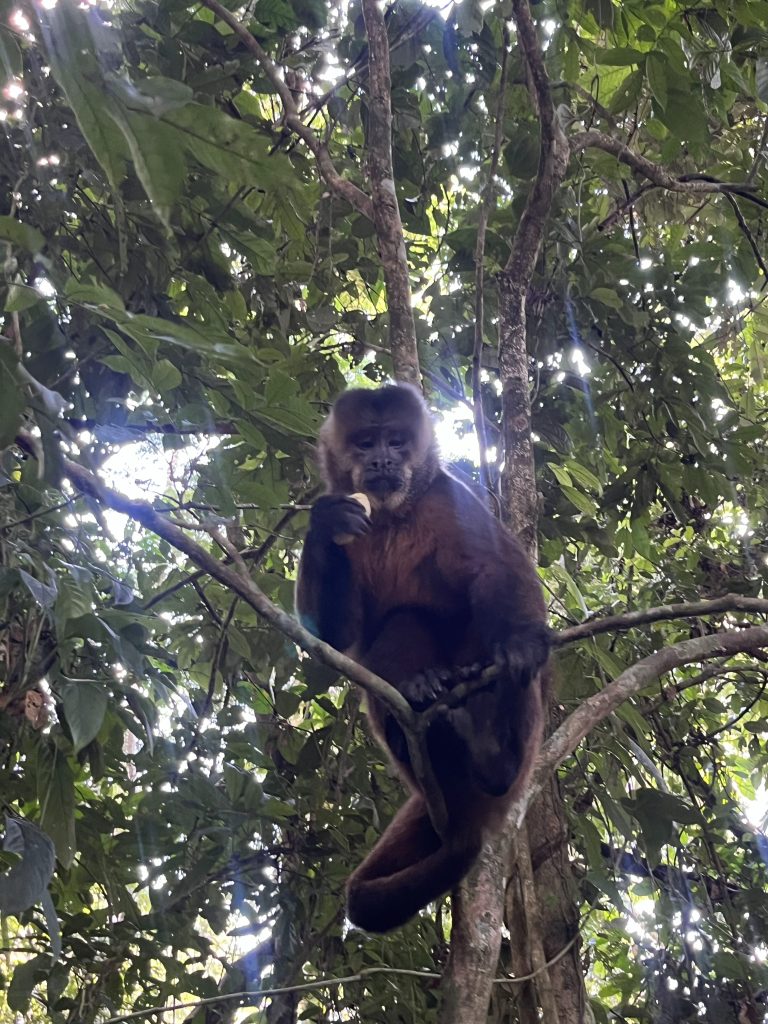
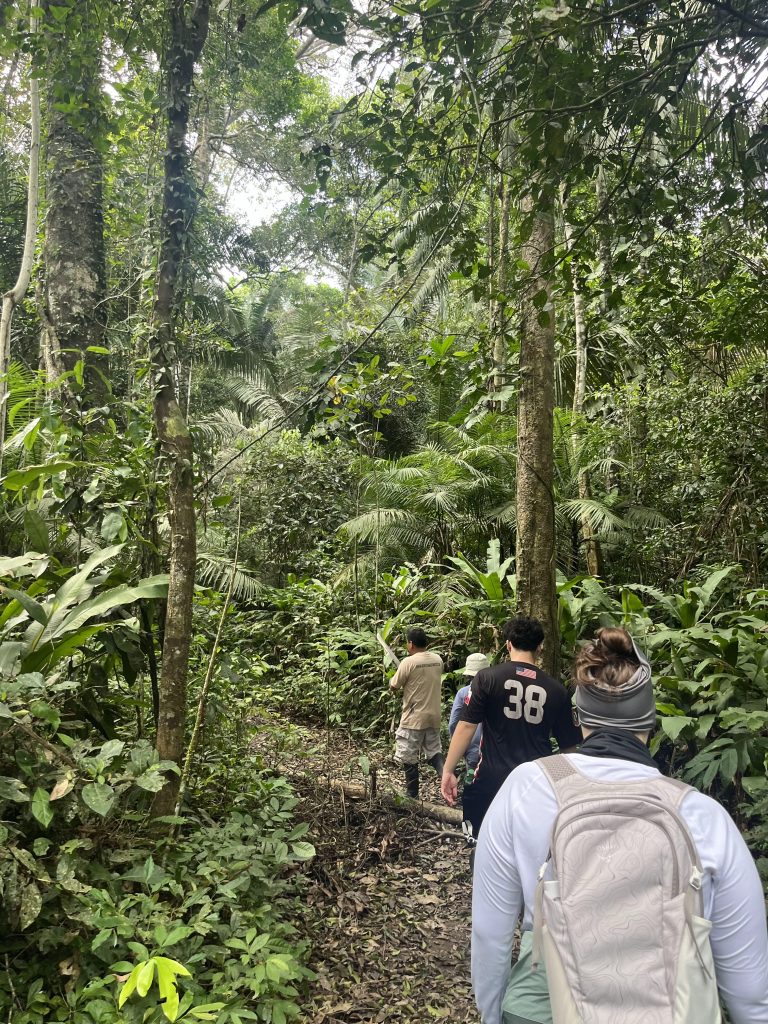
My first impression was honestly just how green everything is. Everywhere I look, there are dense trees, plants, and wildlife. The Amazon feels alive in a way that is difficult to describe. The sounds are different, the climate is different, and the landscape is unlike anything I have experienced before.
Being here has also reinforced why environmental protection is so important. It is one thing to read about biodiversity in a textbook, but it is another thing entirely to stand in one of the most biologically diverse places on Earth and see it for yourself.
Protecting the Amazon
As we begin our time in the Amazon, I have also been thinking about the legal frameworks that help protect this region.
Peru has environmental laws that regulate land use, conservation areas, forestry activities, and natural resource extraction. Peru has established protected areas and national reserves designed to preserve biodiversity and prevent environmental degradation. These laws help balance economic activities with environmental protection.
The Amazon is also influenced by international environmental agreements that focus on biodiversity conservation, climate change mitigation, and sustainable development. These agreements encourage countries to work together to protect ecosystems that have global significance.
Despite these protections, challenges remain. Deforestation, illegal mining, and resource extraction continue to threaten parts of the Amazon. This highlights the importance of strong environmental laws, effective enforcement, and cooperation between governments, businesses, and local communities.
Looking Ahead
As we continue our journey through Peru, I am beginning to see sustainability not as a single concept, but as a balancing act between environmental protection, economic development, and social responsibility.
From recycling facilities and global shipping operations to sustainability consulting organizations and now the Amazon rainforest itself, each experience has shown me a different piece of the sustainability puzzle. I am excited to continue learning how businesses, governments, and communities work together to protect resources while supporting economic growth.
And if my first impressions are any indication, the Amazon is going to teach me a lot.


Leave a Reply