Hola Blog! ¿Cómo Estás?
I have been in Peru for so long that I think I only speak Spanish now.
Wow! What a week. Actually, wow! What a trip. These past few days have been absolutely AMAZING, and somehow every day keeps getting better than the last. Between exploring the Sacred Valley, learning from incredible women artisans, experiencing a traditional Pachamanca, and finally standing at Machu Picchu, I have had some of the most memorable experiences of my life.
A Visit That Felt Personal: Awamaki
Of all the corporate visits we have attended, our visit to Awamaki stood out to me the most.
If you know me, you know that creativity has always been a huge part of my life. I grew up sewing and making things with my hands, and over the years I have also experimented with weaving, embroidery, crocheting, and knitting. Unfortunately, college life has a way of filling every spare second, and I had started to feel like I was losing touch with that creative side of myself.
Then we visited Awamaki.
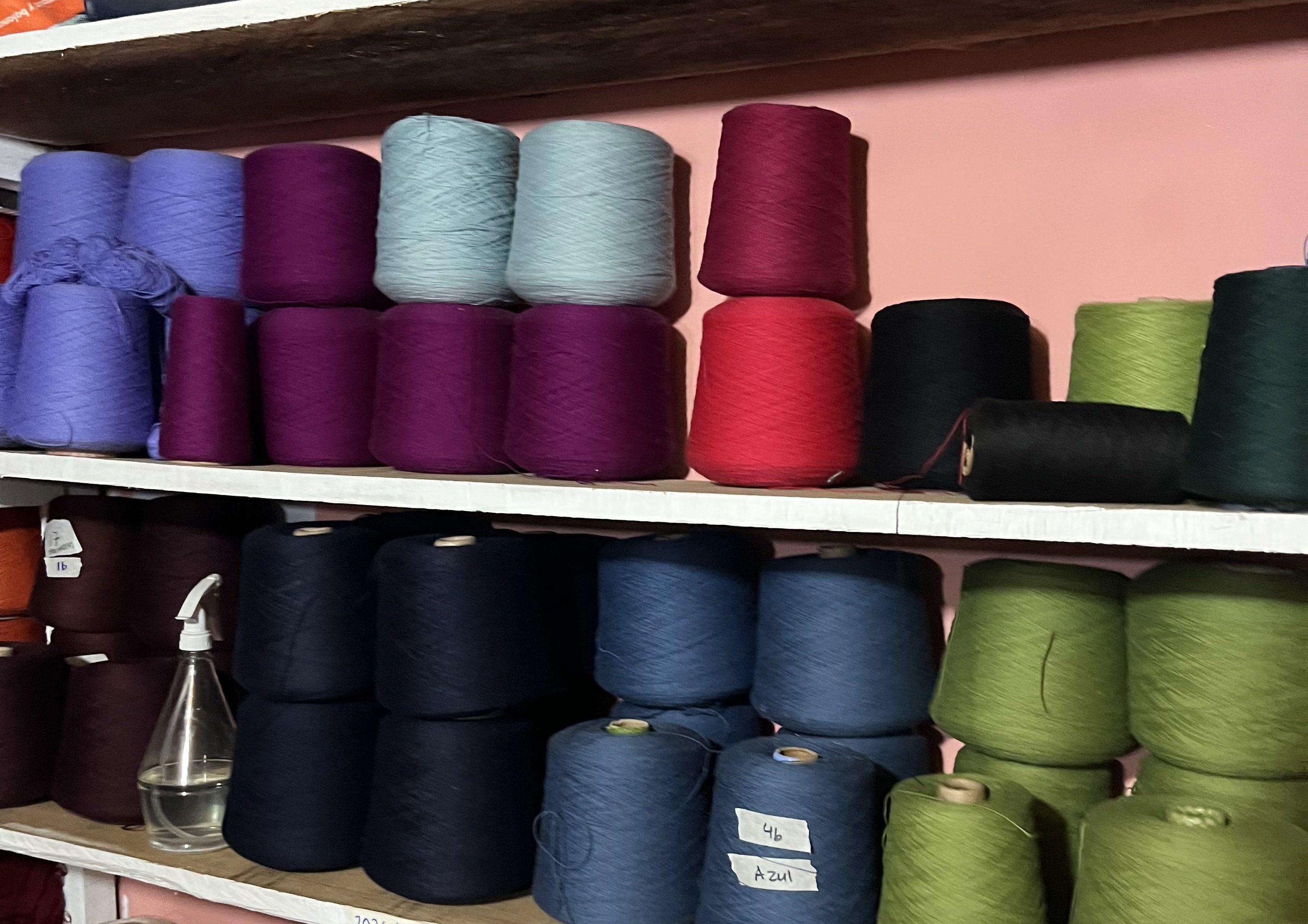
Awamaki is a nonprofit social enterprise dedicated to connecting Andean artisan weavers with global markets while supporting women’s education and financial independence in local communities. Walking through their workspace and learning about their process was incredibly inspiring. The women we met were unbelievably talented, and every piece they created carried both artistic skill and cultural significance.
What stood out most to me was the passion behind everything they do. Their work is not just about creating products; it is about preserving traditions, empowering women, and sharing an important part of Andean culture with the world. As someone who loves creating things, I found myself completely fascinated by every step of the process.
Honestly, this visit reignited something in me. I have been so busy with classes, work, and extracurriculars that I have not had much time to create recently. Seeing these women dedicate themselves to their craft reminded me of how much joy there is in making something with your own hands. It truly felt like a spark was relit.
I also deeply admire Awamaki’s fair trade business model. Unlike many traditional corporations that prioritize maximizing profits for shareholders, Awamaki focuses on creating opportunities for the communities they serve. The organization works alongside the women rather than simply employing them, helping them access global markets while maintaining ownership of their cultural traditions and artistic expression.
This relationship felt far more collaborative than the corporate structures we often study in class. Rather than extracting value from a community, Awamaki helps create value within it. Their approach demonstrates how businesses can be both economically successful and socially responsible.
And yes… I absolutely supported the mission. I ended up buying three things!
Pachamanca: Sustainability, Culture, and Really Good Food
After Awamaki, we headed to El Albergue for a traditional Pachamanca experience, and wow… I am still thinking about that meal.
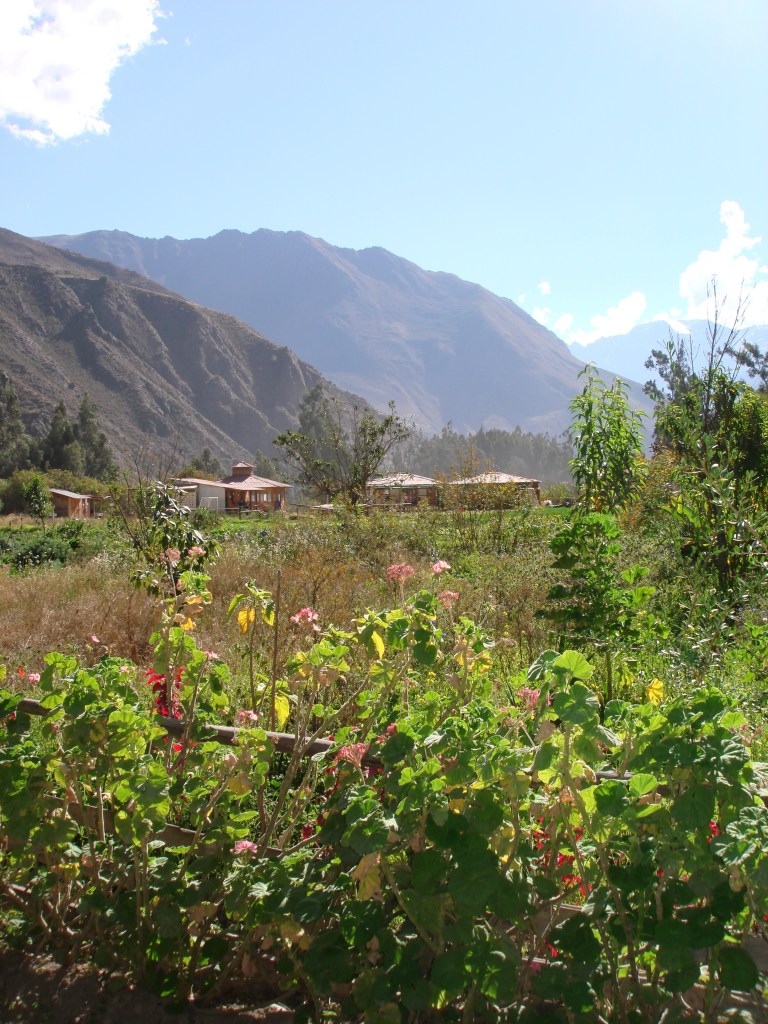
Pachamanca, which means “earth oven” in Quechua, is an ancient Andean cooking tradition where meats and vegetables are cooked underground using heated stones. Before lunch, we toured the beautiful property, including the organic gardens, coffee roastery, and sugarcane distillery. The views were absolutely unreal. Everywhere I looked there were mountains, ancient ruins, and scenery that honestly looked like it belonged on a postcard.
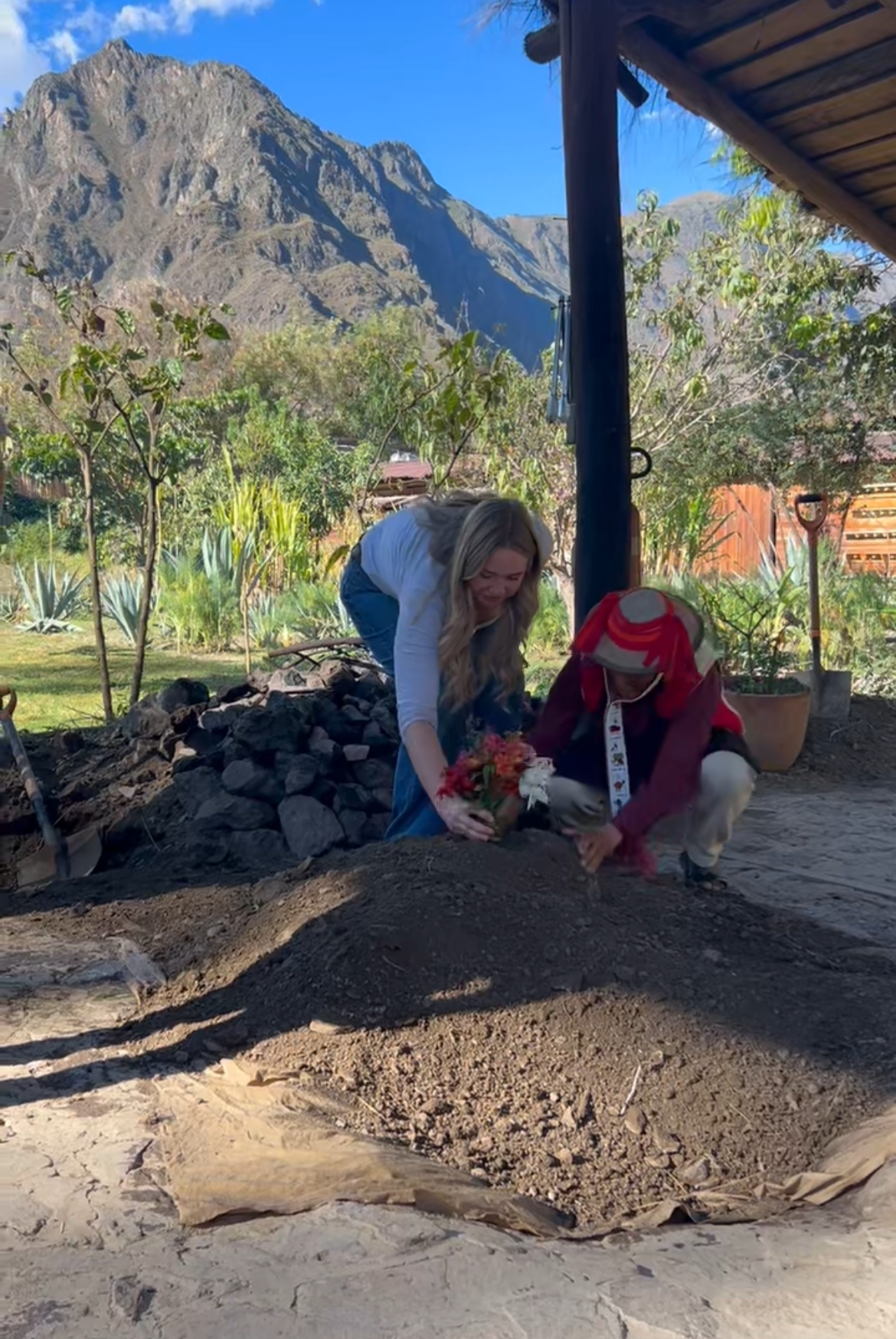
One of my favorite parts was getting to help place the ceremonial bouquet on top of the Pachamanca before it was covered. It was such a cool experience to participate in a tradition that has been practiced for centuries.
Then came the food.
The meal included chicken, pork, lamb, native potatoes, sweet potatoes, vegetables, homemade sauces, and chicha morada. Everything was incredible, and I am still debating whether the lamb, pork, or chicken was my favorite. The answer changes every time I think about it.
Beyond the food itself, I was fascinated by El Albergue’s commitment to sustainability. Throughout our tour, we learned about the ways they work to protect the Sacred Valley ecosystem, support local communities, and preserve cultural traditions.
One example that really stuck with me involved a tree growing directly inside their kitchen. Rather than cutting it down to make operations easier, they designed their workspace around it. The chefs and staff literally navigate around the tree and its branches every day.It represented a mindset of adapting to nature rather than expecting nature to adapt to us, which I absolutely love!
We also learned that they intentionally avoid selling beverages in plastic bottles and plastic cups, reducing waste generated on the property. Combined with their farm-to-table approach and support for local producers, it was easy to see sustainability being practiced rather than simply discussed.
Circularity in Action
One concept we have discussed throughout this course is circularity, which focuses on keeping resources in use for as long as possible while minimizing waste.
Over these two days, I saw several examples of circularity in practice.
At Awamaki, traditional weaving techniques, natural fibers, and generational knowledge are continuously passed down and preserved rather than discarded. Their products are made to last, carrying cultural significance that extends far beyond trends or fast fashion.
At El Albergue, ingredients are grown on-site and served directly to guests through a farm-to-table system. This reduces transportation needs, supports local agriculture, and creates a more sustainable food system.
What struck me most was that neither organization seemed to treat sustainability as a marketing strategy. Instead, it was naturally integrated into their day-to-day operations.
The Moment We Had All Been Waiting For: Machu Picchu
And finally… Machu Picchu.
I honestly do not think there are enough words to describe it.
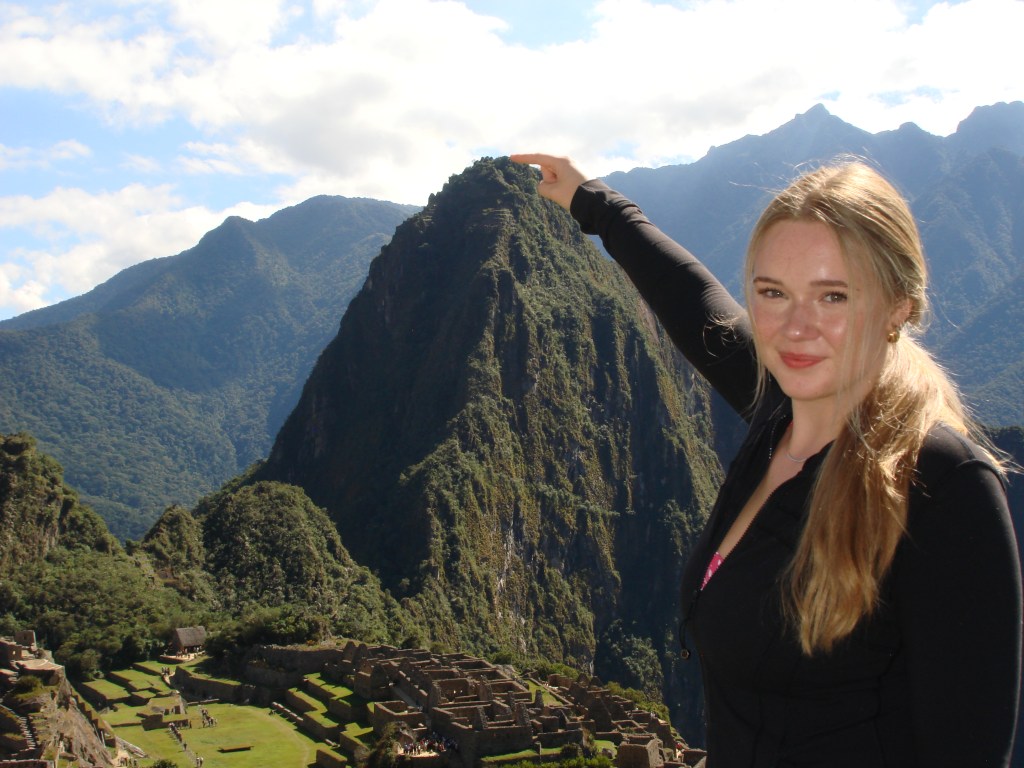
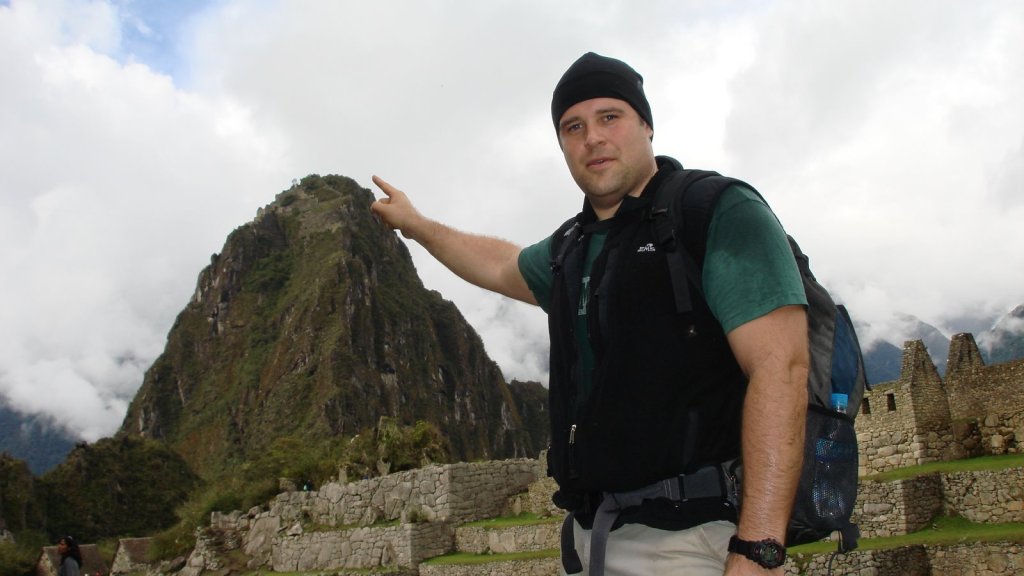
Growing up, Machu Picchu always felt like one of those places that existed only in history books, documentaries, or the framed photos my dad took that hang in his office. Then, suddenly, there I was, standing among the clouds, looking out at one of the most famous archaeological sites in the world.
The views were breathtaking. Every turn seemed more beautiful than the last, and I found myself constantly stopping just to take everything in.
However, visiting Machu Picchu also made me think about the challenges of preserving places like this. Millions of people want to visit each year, which creates significant environmental pressure. Foot traffic, transportation emissions, waste management, and infrastructure development can all threaten the very places tourists come to experience.
One thing I learned is that visitor numbers are carefully regulated. While these restrictions may sometimes make planning more difficult, they play an important role in protecting the site for future generations. Only 4,500 people are allowed in Machu Picchu per day during the regular season, and the number increases to 5,600 people per day. The standard tickets also allow you to stay on the site for a maximum of 3 to 4 hours. This is an example of governments recognizing that some resources are simply too important to leave unprotected.
Machu Picchu raises important questions about the responsibilities of governments, businesses, and tourists. Tourism provides economic opportunities and supports local communities, but it must be managed responsibly. Businesses operating in sensitive environments should prioritize sustainability, while governments must establish and enforce protections that balance economic benefits with conservation.
Ultimately, places like Machu Picchu are more than tourist attractions. They are pieces of our shared cultural heritage, and protecting them is a responsibility we all share.
Final Thoughts
As our time in Peru comes to an end soon, I find myself reflecting on everything this trip has taught me.
Awamaki reminded me of the power of creativity and community. El Albergue showed me how sustainability can be woven into everyday operations and traditions. Machu Picchu demonstrated the importance of preserving cultural and environmental treasures for future generations.
Most importantly, these experiences reminded me that sustainability is not just about policies, regulations, or corporate reports. It is about people. It is about culture. It is about respecting resources, preserving traditions, and creating systems that allow both communities and environments to thrive.
And if there is one thing I am taking home from these past few days, it is a renewed passion for creating.
I think it might finally be time to dust off my sewing machine when I get back to Georgia.


Leave a Reply